
Key takeaways: Preparing an ad file starts with reviewing the current official specification for the intended format, then building one clear master version before export. Place text where it stays readable, add on screen text for viewers without sound, then test the version on a phone before approval.
What are the basic Snapchat ad sizes?
Start by reviewing the current official specification for your intended format, then prepare one clear master copy for later derivatives before export. Do not rely on an old template or saved screenshot. Place the product and main message prominently inside the frame, then test the file on a phone to check text and motion.
Starting point
- Guidance
- Review the current official specification before designing
Master copy
- Guidance
- One clear file before derivatives
Preview
- Guidance
- Test on a phone at actual size
Start the design from a clear, large enough master file for the intended export, because enlarging a small file later weakens the clarity of the product and text. Place the essential elements inside the frame from the first scene, and do not solve a cropping problem by expanding the background alone. Whenever the plan changes, review the export again instead of simply renaming the file.
Are there different Snapchat ad sizes?
Do not rely on a size remembered from an earlier campaign. Review the current official specification before starting the design and before the final export. Prepare a clear master copy, then test the exported file on a phone at actual size to check the product, text and motion, and keep a note of the review date and approved version.
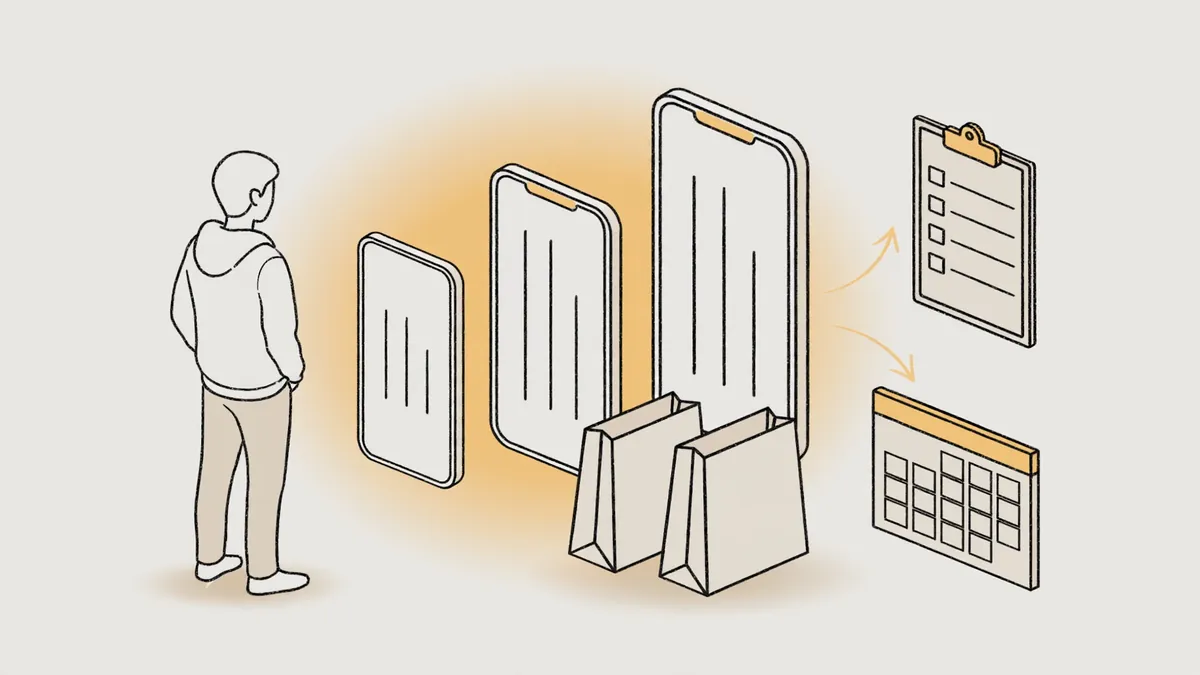
- Define the ad type and goal before opening the design file.
- Check the current official specification for the chosen format.
- Export the delivery version and try it on a phone at actual size.
- Archive the old template and do not use it as your only reference.
The common confusion is copying a size from an earlier ad without checking that it matches the current specification. Keep a short note beside each file stating its purpose, export date and approved version, so files do not get mixed up when versions multiply. When in doubt, return to the current official specification and compare it with your file before any design change.
What ad formats are available on Snapchat?
Review the options announced in the current official specification before choosing any format, and do not rely on a saved list from an old source. Choose what suits your goal, your product and your main message, then match your file to the announced requirements for your chosen option, and test the complete delivery copy before the final upload.
Goal
- Guidance
- One clear message before any extra detail
Product
- Guidance
- A presentation that highlights use and the main benefit
Visual story
- Guidance
- Consecutive scenes carrying one complete idea
Delivery file
- Guidance
- Match to the current official specification before upload
Do not make the format an end in itself. If the product needs usage explained, explain the steps visually with clarity, and if an offer includes related products, arrange the comparison simply. What matters is that each version carries one complete message, rather than adding scenes or images that do not serve the main idea.
To choose an opening that suits Snapchat viewing, review Snapchat ads in the Gulf.
What file type does Snapchat use?
Do not send a file in an arbitrary format without checking, but review the current official specification to learn the announced delivery requirements before preparing the final copy. Keep a high quality master copy to return to, then export a separate delivery copy, and test its opening, picture, sound and motion on a phone before approving and uploading it.
- A high quality archive copy to return to when needed.
- A delivery copy matched to the chosen format specification without later changes.
- A copy with on screen text and one without embedded text if possible.
- A final check of opening, picture, sound and motion before approval.
Before uploading, play the file from start to finish on a phone and do not settle for a still frame preview. Watch the clarity of motion, the stability of sound and whether the product colours survive export. If a fault appears, return to the archive copy and export a new file instead of building the delivery version on top of a repeatedly compressed file.
How do you protect text and a logo inside the safe zone?
As a design precaution, keep the speaker's face, product and main text away from the frame edges as much as possible so they stay clear in preview. Place important elements roughly in the middle, leave the edges for background or a nonessential scene, then preview the complete copy on an actual phone and check every essential element.
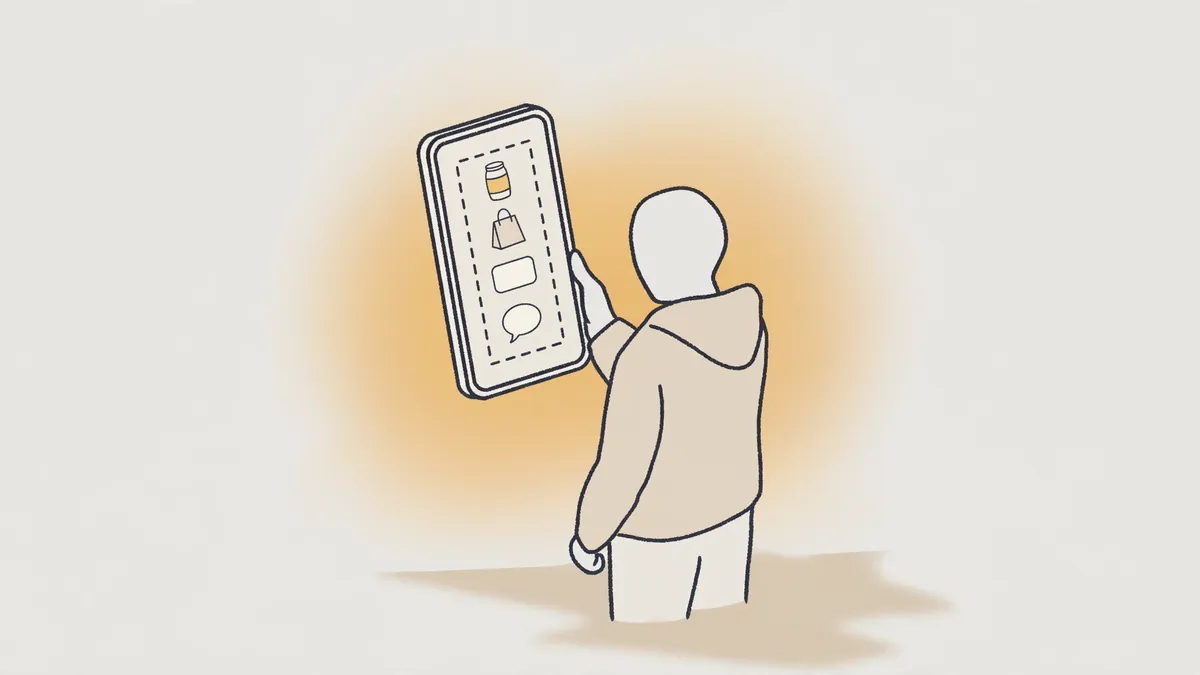
Top of the frame
- Advice
- Calm background with no essential information
Middle
- Advice
- The product, face and main benefit in one shot
Bottom of the frame
- Advice
- Space kept free of the price and main written call to action
Test the safe zone in a practical way: fix the most important sentence on screen, then ask whether it stays readable if the edge of the frame does not show clearly during preview. If you need to shrink the type a lot to fit the space, the problem is usually a crowded message rather than the size. Shorten the sentence or split it across two clear consecutive scenes.
To understand the effect of cropping across sizes, review ad video sizes for every platform.
How do you prepare one master file for every platform?
One master version saves production time if you design it from the start with a clear vertical composition and important elements near the middle that can be cropped later. Keep an archive file without embedded text if possible, then derive versions for each platform after reviewing every platform specification separately and without assuming that they all match.
- Build the composition around the product and face in the middle.
- Leave margins that can be cropped without losing the message.
- Save a version without embedded text for later derivatives.
- Review each derived version on its own before publishing.
The value of the master version appears when testing more than one opening for the same product, because you can rearrange scenes or change the opening sentence without rebuilding everything. Name each version by product, angle and opening, and note what changed in it. That way you can read the difference between versions clearly and not credit the result to size alone.
To organise opening changes while keeping the other elements steady, review the ad testing matrix.
How do you write an ad that makes sense without sound?
Many viewers watch quickly or somewhere that does not suit playing sound, so the on screen text should explain the idea without covering the product. Write one short sentence in each scene, make the opening a clear question or problem, close with a single call to action, then read the version silently to check that it makes sense.
- An opening that stops the scroll, such as: "What wastes the most of your time every morning?"
- A middle with one sentence that explains the benefit and matches the visible shot.
- A close with one clear call to action that leads to the product page.
Good sound matters, but it does not replace visual meaning. Make the product visible from the first scene, connect every written sentence to what the viewer sees at that moment, and do not show a price without context that explains what it includes. If a stranger understands the idea while watching silently, the version is ready for sound, dialect and claims review.
To arrange the opening, middle and close before production, review the short video ad script template.
How can you try this on your product?
Request a free sample video before any payment. Product photos and a store link are enough, with no sample shipping, and the first batch arrives 48 to 72 hours after script approval, in 9:16 for Meta, TikTok, Snapchat and YouTube Shorts.
Frequently asked questions
Can one file work as a starting point? It works for building the idea, but review the current official specification before exporting the final delivery copy and test it on a phone.
Where should you place a price and offer so they do not disappear? Place them near the product in a clear area in the middle, in type that is readable on a phone, and do not place them at the top or bottom edge where their clarity weakens during preview.
Do you need on screen text if the voiceover is clear? Yes, because some viewers watch without sound, and short text explains the benefit and preserves the sequence of the idea, provided it does not cover the product or turn into a long paragraph.
What calls-to-action do Snapchat Ads have? Choose one call to action that suits the ad goal and takes the viewer directly to the next step, such as visiting the product page or completing an order, and avoid combining more than one request in the same close.
For the full service, see Snapchat and TikTok Video Ad Design with AI.