
Key takeaways: Instagram ads become clearer when each placement carries one job and each version starts with a clear product and a message that works without sound. Review the safe area, text and dialect, then test one change per round to see what needs improvement.
What is the first choice in Instagram ads between Reels, Stories and feed?
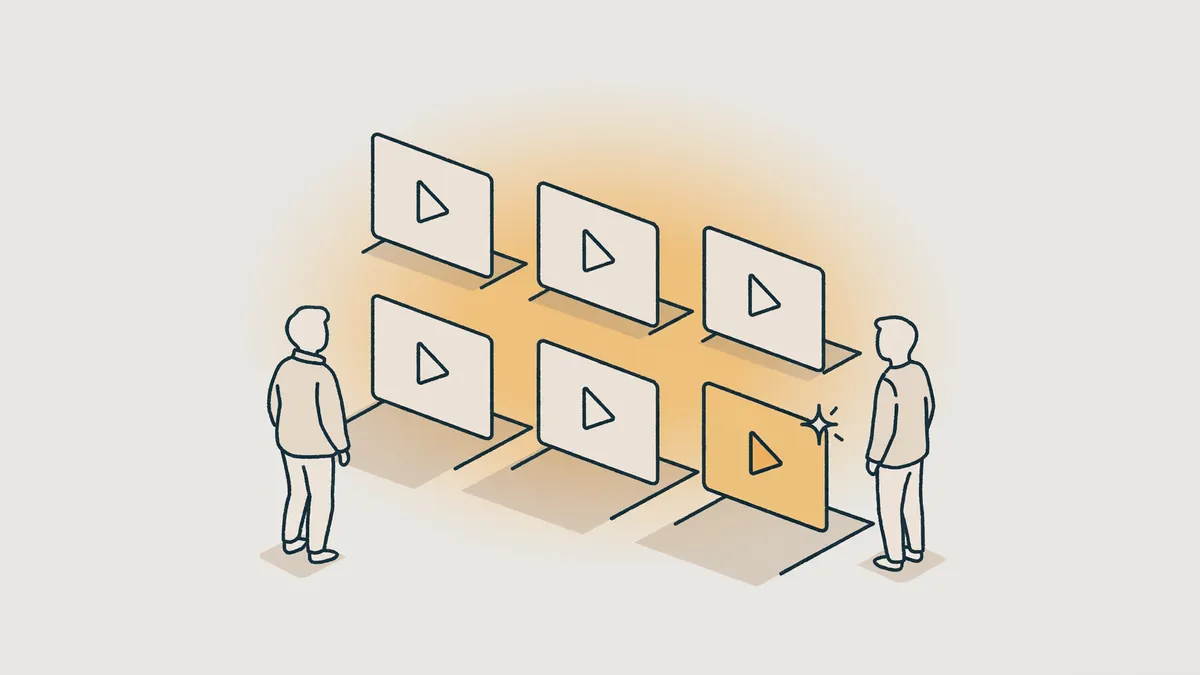
In Instagram ads, start from the viewing goal rather than size alone, because Reels suit product discovery, Stories suit reminders and close follow up, and a static post suits saving and reviewing details. Give each placement one clear job and one message, then design the version around where it appears, how viewers behave there, and when they decide.
Reels
- Best suited to
- Showing the product, use and movement
Stories
- Best suited to
- A quick reminder and follow up on an existing offer
Post
- Best suited to
- Saving information or comparing details
When preparing Reels ads for stores, do not copy the same version into every placement, because placement changes viewing speed and interaction style. Prepare one base for the product and message, then adjust the hook, text length and call to action placement, and name each file by product, placement and angle so versions are easy to distinguish.
What is an Instagram stories ad?
A Stories ad is a short vertical video that appears between user stories and depends on quick understanding from the first frame, so it needs a clear product, one message and a direct call to action. It suits reminding people who already saw the product or following interested viewers, provided the benefit is visible before they move on.
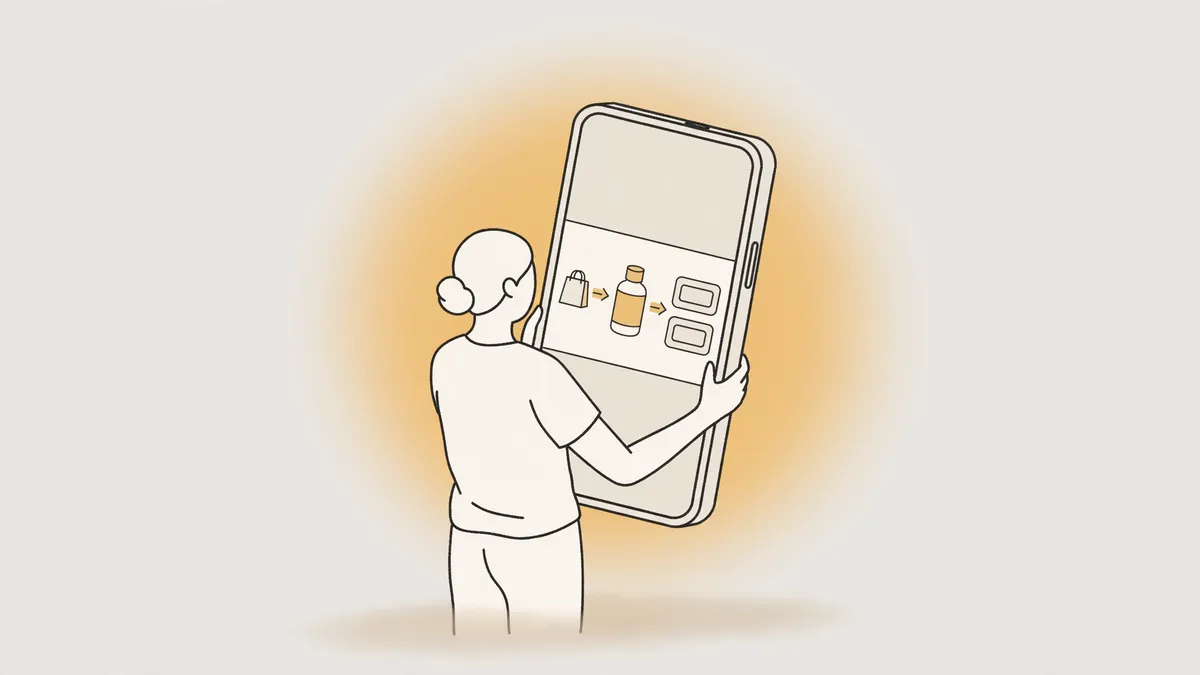
- Show the product in the first frame without a long introduction.
- Make the offer or benefit one readable sentence.
- Use one call to action, such as visiting the product page or starting a WhatsApp conversation.
- Keep main text away from the top and bottom of the screen.
A Story does not need every product feature explained, but it needs one reason to continue now. If the product is new to the audience, introduce it with a clear usage frame, and if they already know it, focus on the colour, size or use that matters to them, keeping the ad light and uncrowded.
How to create Instagram Stories ads and Reels ads?
Short ads begin with one brief that defines the product, audience, benefit and call to action, then turns that brief into a short script and ordered scenes. Use real product photos first, add a persona and voice that suit the audience, and review text and claims before publishing, giving Reels and Stories one base with different pacing.
- Write the most important benefit in one sentence and define one call to action.
- Turn the sentence into a hook, middle and ending, using the video ad script template to order the parts.
- Prepare product photos and the product page link, then choose the dialect that suits the audience.
- Review the product shape, voice and on screen text before approving the version.
- Name the version by product, angle and placement before uploading it.
Choose the language from the audience and market, not from the marketing team's habit. You can prepare an Arabic version and an English version when audiences differ, keep the message, and test each version separately. Never present a digital persona as a real customer, make the nature of the content clear, and review every product claim before approval.
How do you write a hook that stops the scroll and stays tied to the product?
A good hook names a problem, situation or visual result that viewers understand immediately, then links it to the product in the same frame or the next one. Avoid a general question unrelated to what you sell, and make the first spoken and written words match in meaning so the promise reaches listeners and silent readers equally clearly.
Problem
- Quoted example
- "Does your perfume fade during work?"
Situation
- Quoted example
- "Have you prepared your gift yet?"
Use
- Quoted example
- "Watch the fabric as it moves"
Test the hook as a promise that the middle of the ad must complete, so if you promise help with a specific problem, explain the related benefit instead of moving to a long feature list. Review examples in the Gulf hooks bank, then choose one hook per version so you know why responses differ between versions.
Where should text, logo and the call to action sit so nothing important is covered?
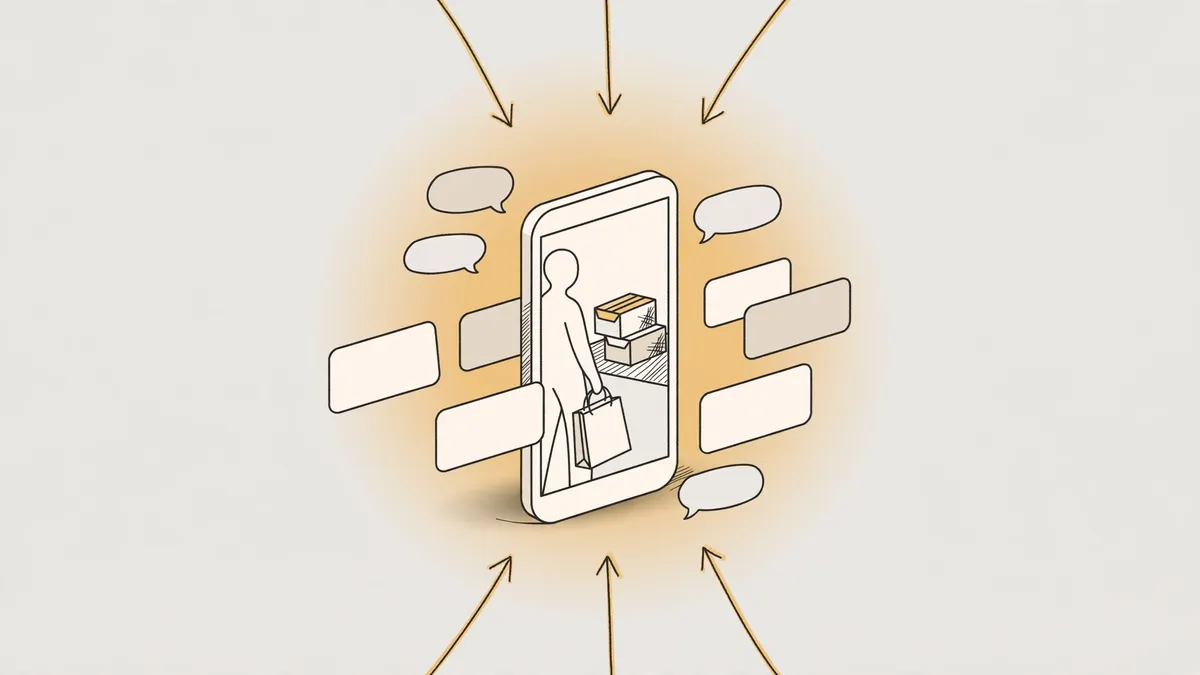
In Instagram ad design, keep the product, face and main text near the centre of the frame, and leave the top and bottom for less important elements because parts of the interface may cover the edges. Review the vertical version on a real phone before publishing, and keep the logo, key information and call to action away from edges.
Product
- Best position
- Centre of the frame and near the start
Main text
- Best position
- A clear and short central area
Logo
- Best position
- A fixed place that does not compete with the product
Background
- Best position
- Simple and not hiding details
Size alone is not enough if text touches the edge. Prepare the version in 9:16 at 1080x1920, then check every frame carrying text. Detail on size differences in video ad sizes helps you avoid cropping a horizontal version into a vertical one.
How does a viewer understand the ad when watching without sound?
Make the ad understandable visually before it is heard, so frames explain the idea in order and captions add the same meaning without crowding. Split long sentences into short sequential phrases, show the product while its benefit is mentioned, and check readability on a small screen. Sound adds rhythm and dialect, but understanding should never depend on it alone.
- Write on screen text in short sentences, not a full paragraph.
- Match text timing to the frame it explains.
- Make the product name, benefit and call to action visible.
- Review the version muted before approving it.
Do not put the whole script on screen, because viewers need time to read the text and notice the product at the same time. Shorten text to words carrying the benefit and call to action, and leave details for the voiceover or product page. If meaning stays clear muted, the version is ready for review.
How do you test Reels and Stories versions by changing one element at a time?
Test versions by keeping the product, audience and core message fixed, then change one element in each round, such as the hook, scene order or call to action. Give each version a fair chance to run, record its difference in the file name, and compare it against the placement goal, so gradual change reveals what affected response.
Hook
- Example change
- A problem question instead of a usage scene
Middle
- Example change
- One benefit instead of two
Call to action
- Example change
- Visit the product instead of starting a conversation
Placement
- Example change
- Reels instead of Stories for the same message
Do not change the dialect, music, hook and call to action in the same round and then look for one reason behind the result. Keep the version closest to the round goal, and build the next round on it instead of starting from zero each time. The ordering method is explained in the ad testing matrix for a weekly review.
How can you try this on your product?
Request a free sample video before any payment. Product photos and a store link are enough, with no sample shipping, and the first batch arrives 48 to 72 hours after script approval, in 9:16 for Meta, TikTok, Snapchat and YouTube Shorts.
Read also: Short Ad Video Editing: What Holds Attention?
Frequently asked questions
Do I need clear product photos before producing the video? Yes, prepare clear photos from more than one angle and a product page link, because clear product and logo details help build accurate scenes and review the version before publishing.
How do I prepare the product page before a viewer taps the ad? Match the product name and photo to the ad, make the benefit, usage and contact options clear, and review the page on a phone so the viewer does not find different information after leaving the video.
Can one video base be used for Reels and Stories? Yes, provided you review text placement, explanation length and the call to action for each placement, because one base can work while the final version needs adjustment to stay clear in each placement.
What language or dialect suits the ad script best? Choose according to the market and city audience, and versions can be prepared in Najdi, Hijazi, Emirati, general Gulf or English, testing each version separately and not mixing dialects in one version without a reason.
For the full service, see Scaling Ad Creative from 30 to 200 Videos per Month.