
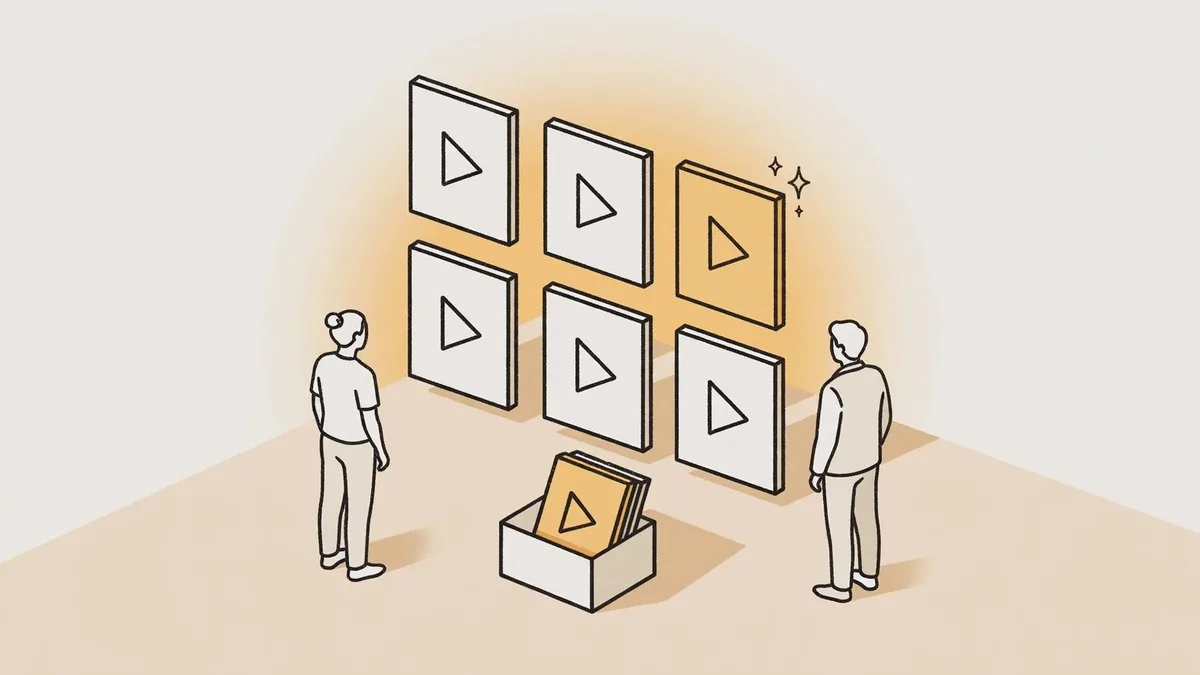
The takeaway: A winning ad does not die overnight; your audience sees it so many times that they get bored. This is called Creative Fatigue. The solution is not to stop the campaign, but to always have fresh versions ready before performance drops.
Why does this happen?
- Repeated exposure: The same person sees the ad 4 or 5 times and starts ignoring it.
- Running out of easy-to-convert audiences: The algorithm sells to the most interested people first, then reaches those who are less interested.
- TikTok moves faster: Content is consumed quickly there, so ads often fatigue faster than on Meta.
14 days is not a fixed rule, but it is a common pattern in campaigns with medium to high budgets.
Early signs of fatigue
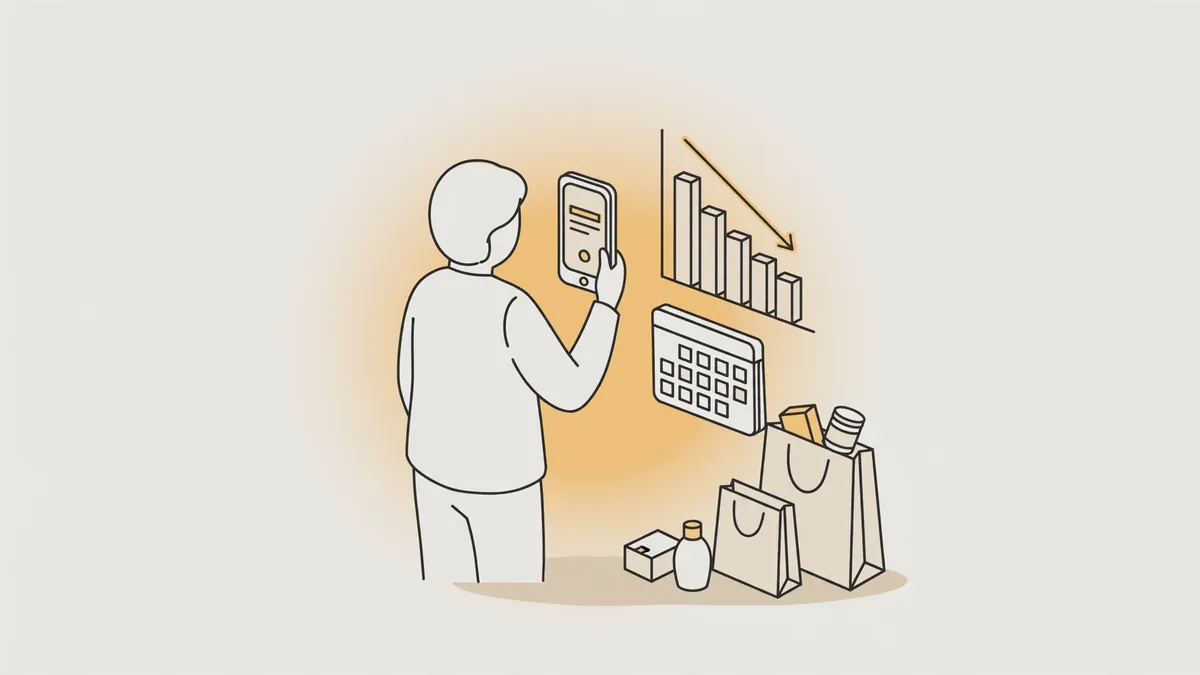
- An increase in how often the same person sees the ad (Frequency).
- A week-on-week drop in click-through rate (CTR).
- A rise in cost per order (CPA) while the budget stays the same.
- A drop in the percentage watching the first 3 seconds.
If you see two signs together, it is time for a refresh.
How do you build a backup ad bank?
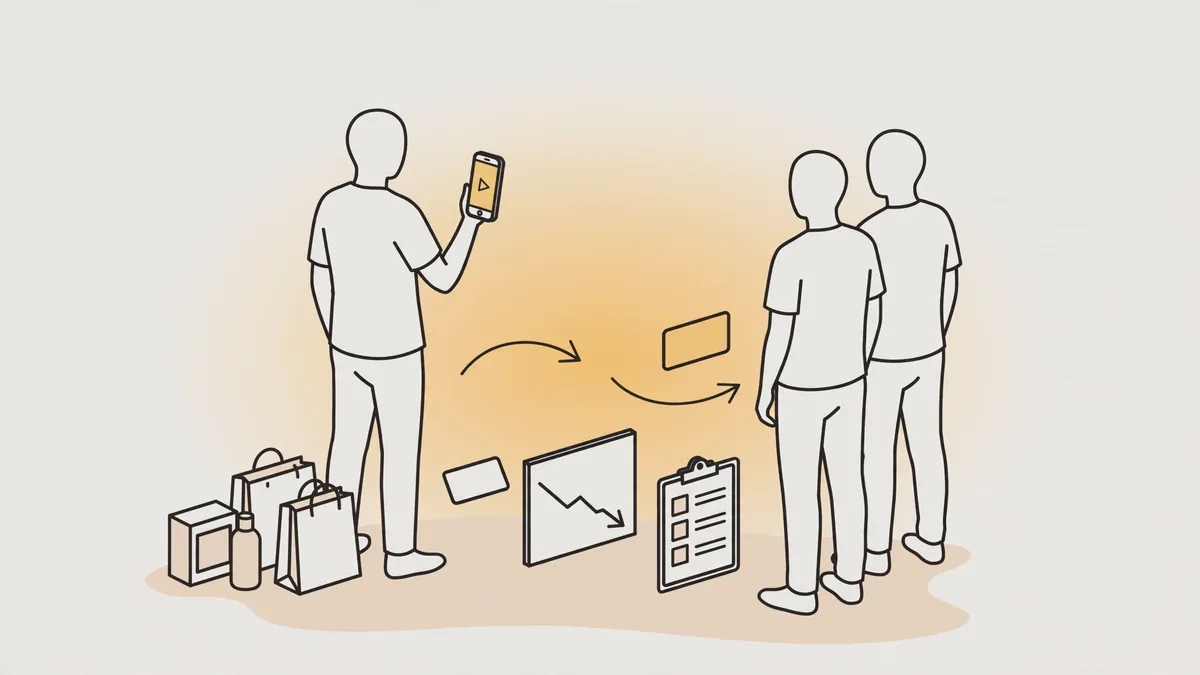
- Always prepare more versions than you need: For example, 10 new versions every week.
- Change the opening first: A fresh opening with the same proven message often brings an ad back to life.
- Change the face and dialect: The same message delivered by a different character looks like a new ad to the viewer.
- Test before you need it: Launch new versions with a small budget before the old ad declines.
How many versions do you need?
It depends on your budget. Small stores usually start with 30 videos per month, while higher-spending brands need 100 to 200. Also read the detailed guide to fixing creative fatigue.
What should you do when a winning ad tires?
Do not stop the campaign right away. Start by changing only the opening while keeping the same message, because the opening is what audiences tire of first. If performance does not recover, try a new sales angle for the same product, then a new audience. Keep the old ad, since it may work again with people who have not seen it.
How do you read Ads Manager numbers?
- Frequency: rising means the same people see the ad more often.
- Click-through rate (CTR): falling on a steady audience is a sign of fatigue.
- Cost per thousand impressions (CPM): rising may mean more competition or less engagement.
- Cost per result (CPA): the number that settles the decision in the end.
How do you decide between refreshing and pausing?
Not every drop means the ad is finished. If only the early view rate falls, change the hook and keep the rest of the ad. If everything falls even after a new hook, it is time for a new angle. The decision depends on which part of the ad has tired.
Views drop in the first two seconds
- Decision
- A new hook for the same ad
Good views, weak clicks
- Decision
- A new message or offer
Good clicks, few orders
- Decision
- Review the product page and offer
Every metric falls
- Decision
- A new sales angle
How do you prepare a refresh batch before you need it?
Prepare new versions while the winning ad is still performing. You can test them on a small budget, so when the winner starts to tire, tested alternatives are ready. Waiting until performance drops means days of weak results before new versions arrive.
- New hooks for the same winning message.
- The same message with a different face or persona.
- The same ad in another size or on another platform.
- A completely new sales angle to test.
For what the metrics mentioned here mean and how they are calculated, see the digital ad terms glossary.
Frequently asked questions
Does every ad tire after exactly two weeks? There is no fixed period; it varies with audience size, budget and the ad's strength, so watch the signs rather than the calendar.
Does a bigger budget speed up fatigue? Usually yes, because the audience sees the ad more in less time.
How many backup versions should I prepare? Enough to replace your main ads at the first signs of fatigue.
Does changing the audience fix fatigue? It may delay it, but the ad will tire with the new audience too, so new versions remain the main fix.
How long does a refresh batch take? The first batch arrives 48 to 72 hours after script approval.
Should I pause a tired ad right away or lower its budget? If the cost per order is still acceptable, lower the budget and launch the replacement next to it, then pause the old ad once the new version beats it.
Can I relaunch an old ad later? Yes, after a long enough break or for a new audience, but change at least the opening so it does not look repeated to people who saw it before.
Part of our approach to Scaling Ad Creative from 30 to 200 Videos per Month.