
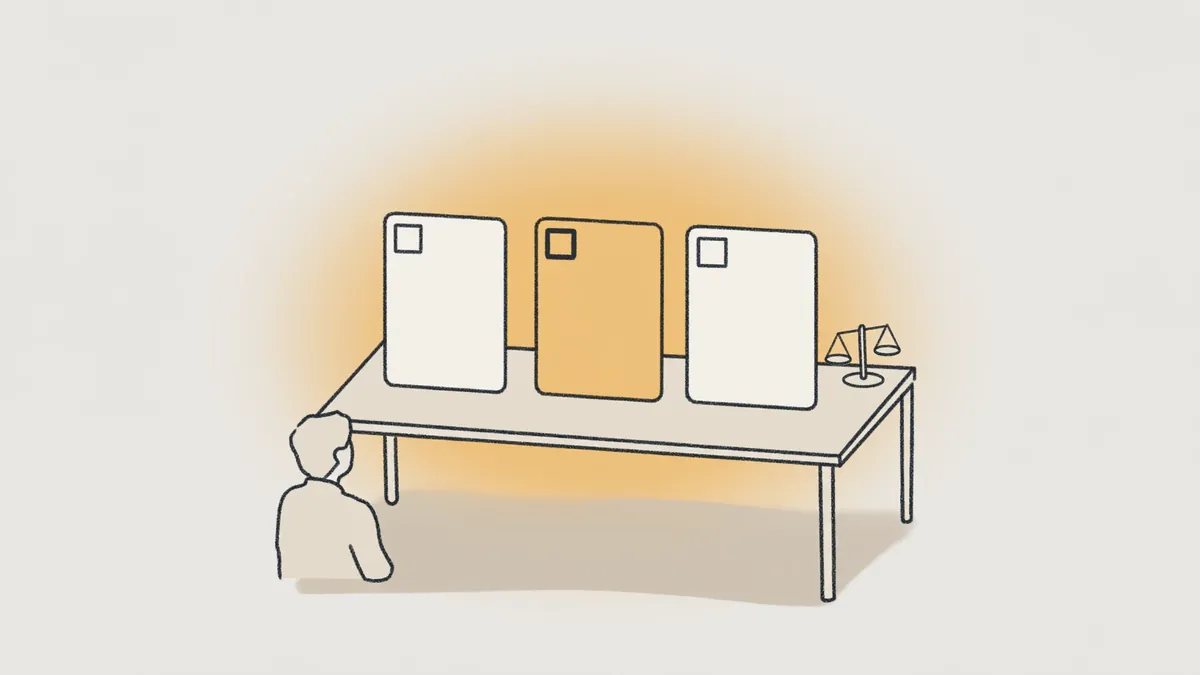
Key takeaways: CGI AI video ads fit products that need an impossible camera move or an attention grabbing fantasy world, while AI UGC suits explaining daily use and building closeness with the viewer. The right choice starts with the ad goal and product nature, then the idea is built around real product photos so the shape, colour and packaging stay as they are.
What is CGI and Why is it Crucial for Advertising?
A CGI ad is a digitally built visual scene around a product, created to show an impossible camera move, a fantasy world, or a very close view of small details. This style earns attention when the visual idea itself is the reason to stop, but it cannot replace a clear explanation of the product benefit and how it is used.
CGI
- What it means simply
- Building the product or the whole scene digitally
FOOH
- What it means simply
- Placing a huge or unusual digital element inside a scene that looks realistic
VFX
- What it means simply
- Visual effects added to a shot that already exists
Use CGI when the product is the hero of the scene, FOOH when the surprise sits inside a familiar place, and visual effects for a limited addition to a real shot. The strongest idea is understood quickly and then leads to a clear benefit.
When do CGI AI video ads fit your product and when should you choose something else?
CGI AI video ads fit a product whose idea is hard to film with a camera, needs a fantasy world, or benefits from a close shot that highlights its design, while AI UGC suits a close conversation about use, and real filming suits proving actual texture and movement. The choice follows the ad goal, not the novelty of the style.
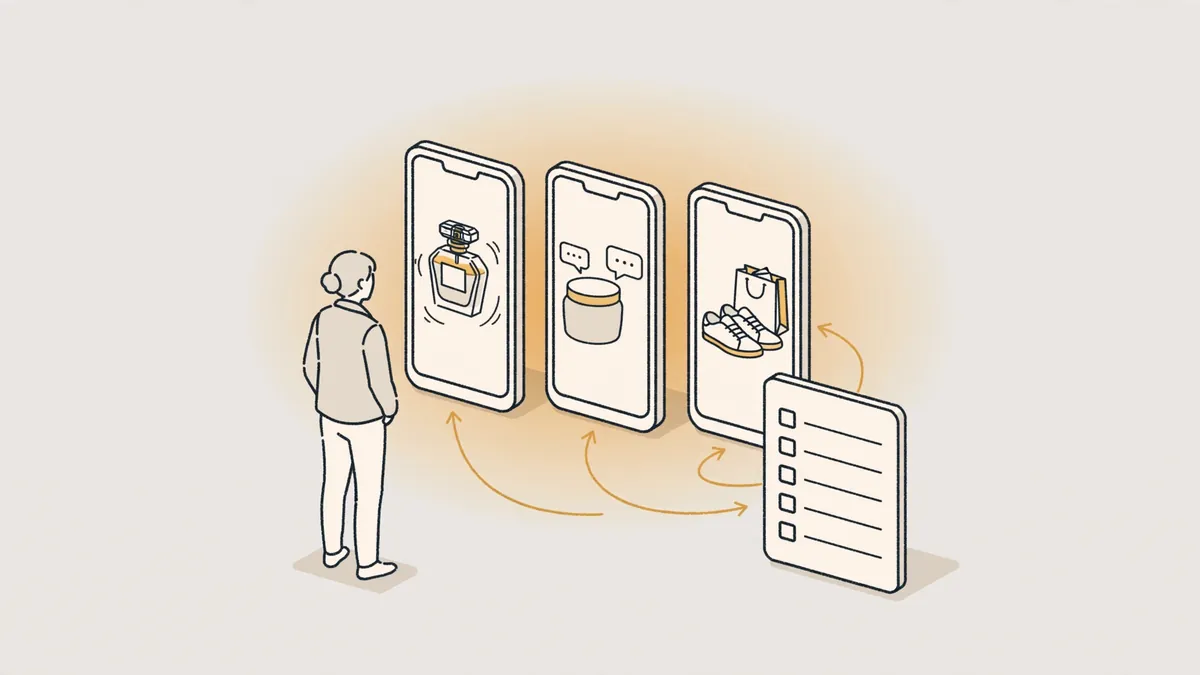
CGI
- Suits best
- A fantasy shot or an impossible camera move
AI UGC
- Suits best
- Direct talk and a usage experience in relatable language
Real filming
- Suits best
- Movement, texture and interaction that need visual proof
If the goal is attention for a launch or an offer, start with the visual scene and then explain quickly. If the goal is removing hesitation about use or the visible result, put the direct talk or the real shot first.
Which product types benefit most from CGI and which do not suit it?
Perfume, cosmetics, small devices and jewellery benefit from CGI because design, packaging and fine details can appear clearly in close shots and short fantasy scenes. Food, clothing and products needing precise hand use often need real footage or AI UGC that shows texture, size and method of use as the buyer expects to see them.
Perfume and cosmetics
- What decides the choice
- Packaging details, colour and sheen in close shots
Small devices
- What decides the choice
- Movement and design that are hard to film easily
Food and drink
- What decides the choice
- Appetite and texture usually need a real shot
Clothing
- What decides the choice
- Movement on the body and fit need visual proof
In CGI ads, make the fantasy serve a quality the buyer understands, such as shape, colour or opening method. If the buyer needs to see a hand holding the product or fabric moving, add a clear usage shot.
How to create CGI ads?
Making a CGI ad starts with one idea, then a brief that defines the product, audience, message and place where the ad will run, then a visual storyboard before production. The shots are then built around real product photos, suitable text and voice are added, and accuracy and clarity are reviewed before the version is prepared for publishing.
- Write one visual idea and one message for each version.
- Prepare real product photos and its page link, and define what must not change.
- Draw the scene sequence from the first shot to the final call to action.
- Build the scene around the product, and add screen text and suitable voice.
- Review product accuracy, text clarity and natural movement before approval.
- Prepare the version in 9:16 at 1080×1920, and in other sizes according to placement.
Do not start from the strangest effect, but from a simple question: what should the viewer understand after the scene? Production order details are in the step by step AI video ad production guide.
How do you ensure the product in the ad matches the real product?
Product match starts with clear real photos showing the packaging from different angles, the logo, the colours, the relative size and any details that must not change. Before publishing, compare every shot with the original product and the store page, and pause at any difference in wording, proportions, colour shade or closure method.
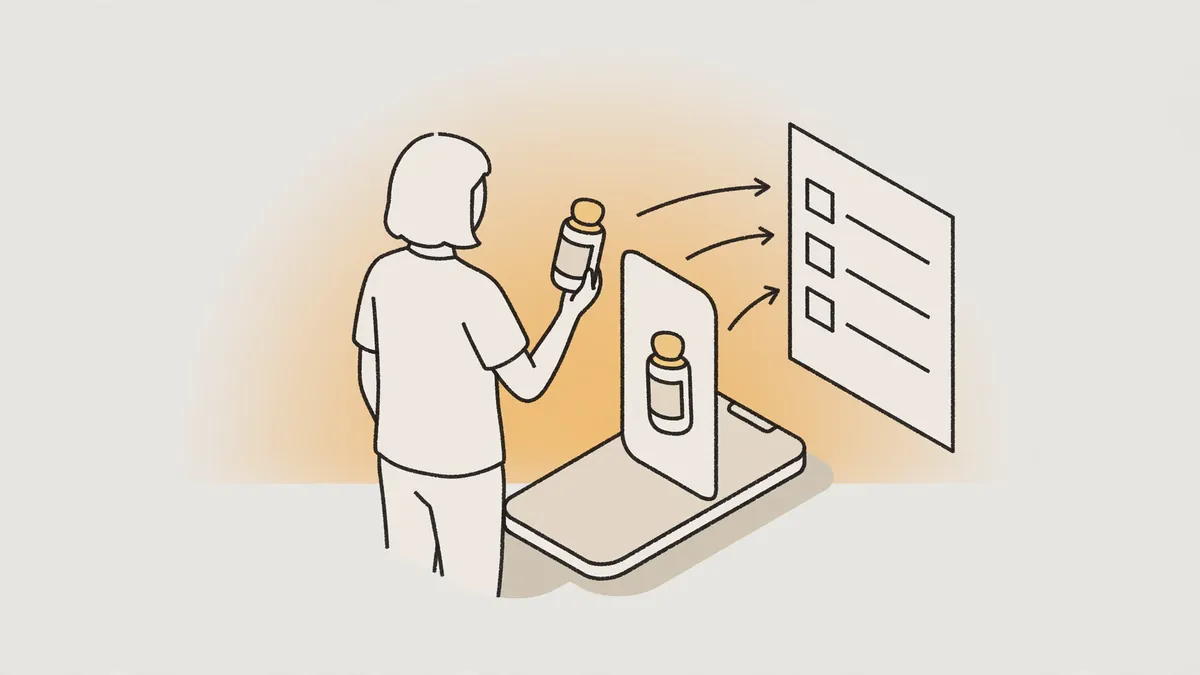
- Front, back and side photos of the packaging in clear light.
- A close shot of the logo, wording and closure method.
- A reference for colours and relative size beside a familiar item.
- The current product page, with a note on any old packaging that must not be used.
- A short list of rejected errors before production starts.
During review, place the shot and the product photo side by side and look for differences in logo, proportions, colour and wording before judging the beauty of the scene. A wider explanation is in the AI ad realism checklist.
Do you need real filming with CGI or are product photos enough?
Product photos are enough when the product stays still in a digital scene and only needs to be shown from known angles without touch, operation or interaction with a person. Real filming becomes better when the idea depends on the product weight, flexibility, sound or result during actual use in front of the camera.
A still product from known angles
- The better starting point
- Real product photos and a digital scene
Touch, operation or assembly
- The better starting point
- Real filming of the use
A fantasy world around actual use
- The better starting point
- Combining real filming and the digital scene
The mixed format helps when CGI opens the door visually and real filming then proves the method of use. The method of combining and the timing of each style are in the mixed production guide.
When does a CGI ad mislead viewers and when should AI generation be disclosed?
A CGI ad misleads when it suggests that a fantasy event actually happened, shows the product size or benefit differently from reality, or presents a digital persona as if it were a real customer. Generation should then be clear to the viewer, product claims should remain provable, and current publishing requirements should be reviewed before launch.
A fantasy event that looks as if it actually happened
- The clearer handling
- Clarify that the scene is generated or fantasy
A digital persona talking about the product
- The clearer handling
- Do not present it as a real customer
A product benefit or result
- The clearer handling
- Show only what can be proven
A clear fantasy scene that claims no real event
- The clearer handling
- Keep product accuracy and claims intact
Review current disclosure requirements before publishing, because the placement and wording of the notice may differ according to the ad context. Additional guidance is in the AI ad disclosure guide.
How do you measure a CGI ad and decide whether to repeat it?
Compare a CGI ad with a simpler version of the same idea, and watch viewing completion, engagement, comments, product page visits and orders without isolating the ad from price, offer and stock. Repeat the visual element only if viewers understood the message and asked about the product, and change the idea if the scene attracted attention without purchase interest.
Comments about the scene only
- Your decision after it
- Explain the product more clearly in the next version
Questions about price or use
- Your decision after it
- Keep the idea and improve the explanation
Viewing that stops early
- Your decision after it
- Change the first shot or shorten the path to the product
Visits without orders
- Your decision after it
- Review the product page and offer before judging the scene
Change one element in each version, such as the first shot, the explanation or the call to action, so you know the reason for the difference. A method for organising versions is in the ad testing matrix.
How can you try this on your product?
Request a free sample video before any payment. Product photos and a store link are enough, with no sample shipping, and the first batch arrives 48 to 72 hours after script approval, in 9:16 for Meta, TikTok, Snapchat and YouTube Shorts.
Frequently asked questions
Does a CGI ad fit a new product launch? It fits if the visual idea explains its shape or concept quickly, but add versions that explain use and benefit so the ad does not remain only an eye catching scene.
Can CGI and AI UGC be combined in one plan? Yes, use CGI for the opening shot or the product world, then AI UGC to explain use in the suitable dialect, while keeping the same product shape in both versions.
What is reviewed first in a CGI shot before approval? Review the packaging, logo, colours, proportions and visible wording, then the clarity of the message in the first shots. Any small product difference matters more than adding decoration around it.
What if the fantasy scene attracts attention without questions about the product? Change the message or the usage shot before changing the whole visual world, because the problem may be in explaining the benefit rather than in the strength of the scene, then compare the new version with the previous one.
To see how this works at scale, read AI UGC Ad Pricing and Comparisons in Saudi Arabia and the UAE.