
Key takeaways: An ad looks fake when a small detail gives it away: a translated line, an unnatural hand, or a product that changes between shots. Most of these problems are caught before publishing with a structured review. Here are the most common causes, and the checklist we apply to every version.
What gives away an AI-made ad?
Viewers do not analyse an ad, but they feel when something is off. What gives an ad away most: lines that do not sound like how people talk, mouth movement that does not match the voice, odd hands or fingers, and a product that differs from the real one. One flaw is enough to lose the viewer's trust.
Dialect
- How it shows
- Formal or literally translated lines
- Fix
- A script written in the dialect from the start
Lip sync
- How it shows
- Mouth movement does not match the words
- Fix
- Review every shot and regenerate what does not match
Hands
- How it shows
- Unnatural fingers or movement
- Fix
- Replace the shot with a product-only shot
Product
- How it shows
- The logo or pack changes
- Fix
- Lock the product's look from real photos and check every shot
Lighting
- How it shows
- Light that does not fit the place
- Fix
- A simple scene with consistent lighting
Pacing
- How it shows
- Slow or repetitive movement
- Fix
- Fast editing and on-screen text
Why does dialect give an ad away faster than visuals?
Because Gulf audiences hear their dialect every day and instantly notice a translated sentence or a word nobody says. That is why the script is written in the right dialect from the start: Saudi for Saudi Arabia, Gulf or Emirati for the UAE, then read aloud before production. Details are in the Gulf dialect guide.
Which checklist do we apply to every version before delivery?
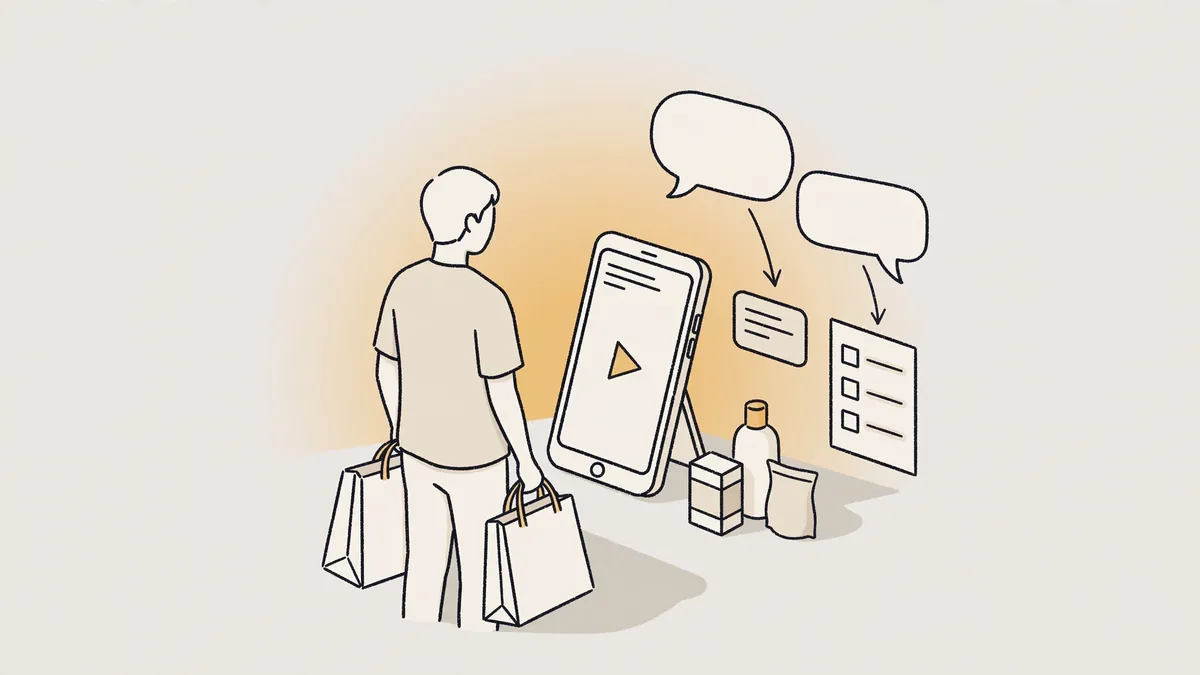
The list is short, but it is applied to every version, not to a sample. If one item fails, the shot is regenerated or replaced before it reaches you:
- The product, pack and logo match the real photos in every shot.
- Speech matches mouth movement.
- Hands and fingers look natural, or the shot is replaced.
- The script is in the audience's dialect and has been read aloud.
- No promises or results the product cannot support.
- On-screen text is readable and clear of platform buttons.
- AI-made content is disclosed according to each platform's policy.
Read the Meta and TikTok disclosure rules.
When is real filming better?
When precise movement or real texture is the message, such as tasting food or a product's real effect on skin, or when the real person is the reason people trust the ad. In those cases we suggest filming or mixed production instead of forcing AI into a scene it does not handle well.
Does realism mean hiding that an ad is AI-made?
No. Realism means the ad looks natural and is honest about the product, not that it deceives viewers. We follow platform disclosure rules for AI-made content, and we never create fake testimonials or results. An honest, well-made ad persuades better than one pretending to be something else.
How do I make an AI ad look natural from the start?
A natural ad is built at the idea stage, before review. Choose a place your audience knows, a persona who resembles your customer in age and dress, short lines that sound like talking to a friend, and show the product used as it is in daily life. With these choices, viewers see a familiar experience, not a manufactured ad.
Setting
- What looks artificial
- An empty or overly perfect background
- What looks natural
- A living room, a kitchen or a car
Persona
- What looks artificial
- A glossy model look
- What looks natural
- Someone who resembles the customer in age and dress
Speech
- What looks artificial
- Long ad lines read aloud
- What looks natural
- A line like "Tried it, and honestly, here's my take"
Product
- What looks artificial
- Only held up to the camera
- What looks natural
- Opened and tried as it really happens
Frequently asked questions
Do people notice an ad is AI-made? They notice flaws more than the tool. A well-made ad that speaks their dialect and shows the product as it is gets watched like any other ad.
What happens if a version has a flaw? We regenerate or replace the shot before delivery. No version reaches you without review.
Can I request a sample video to judge the quality? Yes. You can request a free sample video for your product before signing up.
Does the quality of product photos affect how real the ad looks? Yes, because the product's look in the ad is built from its real photos. The clearer the photos and the more angles they cover, the more accurate the product looks in every shot.
Who reviews the versions before they reach me? A human team leads the creative direction and checks every version against the same checklist before delivery, so judging quality is never left to the tool alone.
To see how we produce realistic ads for your store, visit AI UGC ads in Saudi Arabia.
Part of our approach to AI UGC Ad Production in Saudi Arabia and the Gulf.